
Introduction: Lead-acid batteries still power vehicles, backup systems, tools, and many industrial setups across the UK. They are dependable, but they are not fit-and-forget equipment. Good routine care helps them work better, last longer, and stay safer in daily use. It also makes end-of-life handling easier, which matters because these batteries contain materials that need responsible recycling.
Routine care helps a lead-acid battery last longer, charge more reliably, and fail less often. It also lowers the risk of leaks, corrosion, overheating, and weak performance.
That is the heart of Lead-acid battery care. Small checks done early are usually easier than dealing with a sudden failure later.
Lead-acid batteries remain popular because they are proven and practical. However, they do best when users stay ahead of basic issues. Dirt on the case, corrosion on terminals, long periods of low charge, and poor storage conditions all work against battery health. In contrast, clean connections, proper charging, and timely recycling reduce waste and improve reliability.
If you are asking How to maintain a lead-acid battery, start with the basics: inspect it often, keep it clean, charge it correctly, avoid long periods in a discharged state, and follow the maker’s instructions for your battery type.
Start with a visual check of the battery case, terminals, cables, and surrounding area. Look for cracks, bulging, leaks, corrosion, dirt, moisture, and loose connections.
The Maintenance of a lead-acid battery starts with simple observation. You do not need complex tools to spot early warning signs. A damaged case can point to internal stress or unsafe handling. Corrosion around the terminals can interrupt current flow. Loose cable ends can create heat, voltage drop, or unreliable starting and backup performance.
Routine inspection is one of the most useful habits from the original guidance, and it is still sound advice today. Watch for white or bluish buildup on terminals, signs of acid residue, unusual swelling, or staining around the battery tray. If you see obvious damage or leakage, stop using the battery until it has been assessed and handled safely.
| Check area | What to look for | Why it matters |
|---|---|---|
| Battery case | Cracks, swelling, leaks, impact damage | Can signal safety issues or internal failure |
| Terminals | Corrosion, looseness, residue | Poor contact reduces performance and can cause heating |
| Cables and clamps | Wear, fraying, weak fit | Bad connections lead to voltage drop and unreliable operation |
| Charge condition | Long periods at low charge or repeated deep discharge | Shortens useful life and reduces available capacity |
| Electrolyte in flooded units | Low level or exposed plates | Can damage the battery if ignored |
| Storage area | Heat, dirt, standing moisture, poor ventilation | Harsh conditions increase wear and self-discharge |
Clean the battery case and terminals so dirt and moisture do not build up. A clean battery is easier to inspect and less likely to suffer from preventable discharge or connection issues.
Wipe the outer case with a clean cloth and keep the top dry. This simple step matters because grime and moisture can encourage self-discharge over time. Terminals should also stay free from corrosion and residue. If corrosion is present, clean it using a safe method recommended for the equipment and battery type, then make sure the connections are secure again.
Do not overlook the battery tray or mounting area. A clean battery fitted into a dirty, damp space will still face avoidable stress. Good housekeeping around the battery is part of good battery practice.
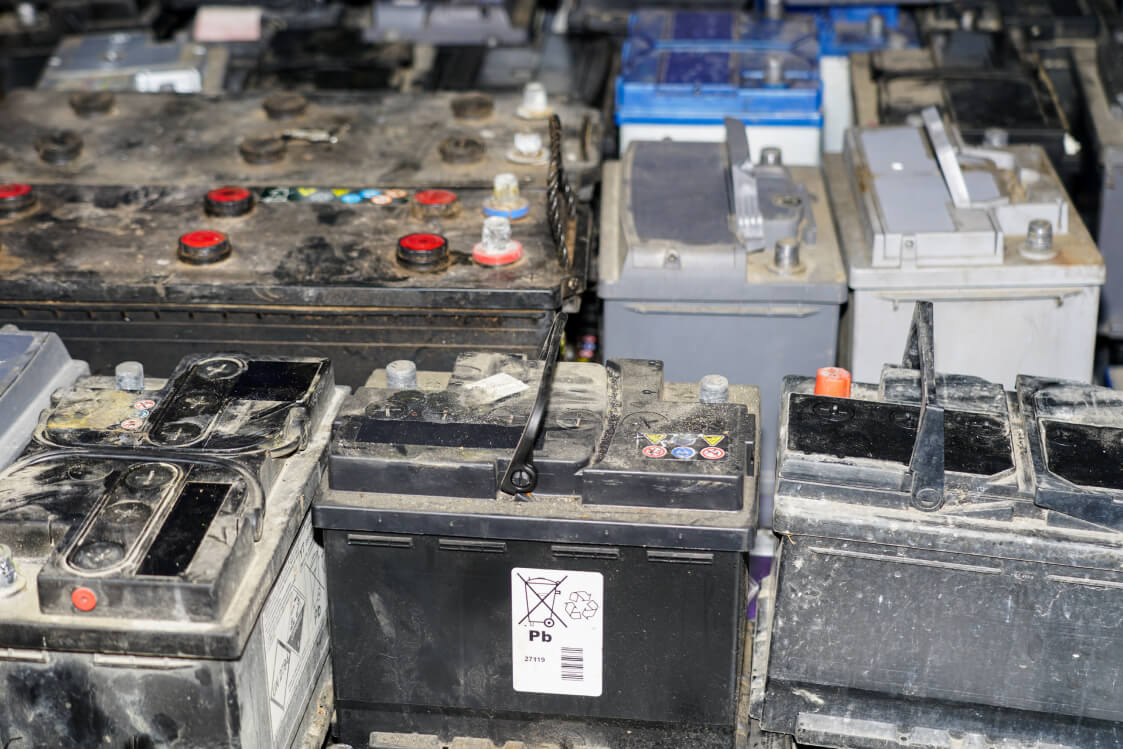
Charge the battery with the correct charger and avoid both overcharging and long periods of partial charge. Correct charging is one of the biggest factors in battery performance and service life.
Use equipment that matches the battery type and duty. A charger that is too aggressive can create excess heat and speed up wear. A charger that never brings the battery back to a healthy full state can leave it weak and prone to sulfation. Technical guidance from OSTI.GOV supports this general approach: proper charging and routine checks are central to dependable lead-acid battery use.
One topic that deserves plain English is Undercharging a lead-acid battery lifespan reduction. The wording is awkward, but the meaning is clear. When a battery stays partly charged for too long, sulfate can harden on the plates, capacity falls, and the battery often reaches end of life sooner than it should.
That is why prompt recharging matters. If a battery has been used heavily, recharge it sooner rather than later. Repeated deep discharge followed by slow or incomplete recovery is hard on most lead-acid batteries. According to the Department of Energy, battery-based systems also rely on suitable charge control equipment, which helps protect batteries from harmful charging conditions.
Undercharging leaves useful capacity on the table and speeds up long-term decline. A battery that is often left below a healthy state of charge usually becomes weaker, less consistent, and harder to recover.
This problem is common because it does not always look dramatic at first. The battery may still seem usable, just a little slower or a little weaker. Over time, that small drop becomes poor runtime, unreliable starting, or reduced backup performance. Good charging habits are often the difference between normal ageing and avoidable failure.
No. Flooded lead-acid batteries need more hands-on checks, especially around electrolyte level, while sealed types usually need less direct intervention.
Many users ask, Do lead-acid batteries require maintenance? Yes, but the amount depends on the design. Flooded batteries usually need periodic electrolyte checks. If the level is low, top up only as recommended and use distilled water, not tap water. Sealed batteries should not be opened or topped up unless the manufacturer clearly states otherwise.
This difference matters. People sometimes apply flooded-battery habits to sealed units, which can cause damage or create a safety issue. If you are unsure which type you have, check the label or the manufacturer’s manual before doing anything beyond inspection and cleaning.
Equalization can help some flooded batteries, but it should only be done when the manufacturer recommends it. It is not a universal task, and it is not suitable for every battery type.
The purpose of equalization is to balance cells and help address performance drift that can build up over time. Done correctly, it can support battery health in some applications. Done at the wrong time or on the wrong battery, it can cause harm. Therefore, treat equalization as a controlled, battery-specific procedure rather than a routine default.
Heat accelerates ageing, while poor storage habits increase self-discharge and make recovery harder. Stable, suitable conditions help the battery hold performance for longer.
Temperature has a direct effect on lead-acid batteries. High heat can speed up internal wear. Very cold conditions can reduce available output and make charging behaviour less forgiving. In practical terms, the goal is a clean, dry, well-managed storage area without unnecessary temperature extremes.
Storage habits matter just as much. Do not leave a battery sitting discharged for long periods. If it is going out of service for a while, store it in line with the manufacturer’s guidance and check its condition before it drops too far. A battery left neglected in storage can lose capacity even if it was working well when it was put aside.
Deep discharge also deserves attention. Lead-acid batteries usually prefer shallow to moderate cycling rather than repeated deep depletion. The further and more often the battery is discharged, the harder it has to work to recover. Therefore, recharge promptly and avoid treating deep discharge as normal unless the system and battery are designed for it.
Recycle a battery when it is damaged, leaking, swollen, unsafe, or no longer holding charge well enough for its job. End-of-life batteries should never go into general waste.
This point from the original article remains essential. Lead-acid batteries contain lead and acid, so careless disposal can harm people and the environment. If a battery is clearly failing, isolate it safely and arrange proper handling. Do not keep forcing a weak, damaged unit back into service.
If you need the practical disposal steps, Blancomet has a useful step-by-step guide to safe disposal in the UK. For the wider context, it is also worth reading why responsible lead-acid battery recycling matters.
Good upkeep and good recycling belong together.
Lead-acid batteries still offer solid, practical service, but only when users respect their basic needs. Inspect them often. Keep the case and terminals clean. Use the right charger. Avoid long periods of low charge. Check electrolyte only on flooded batteries, and do not try to top up sealed units. Protect batteries from poor storage conditions, repeated deep discharge, and excess heat where possible. Finally, when a battery is damaged or worn out, recycle it responsibly rather than treating it like ordinary waste.
These habits are simple, but they make a real difference. Better routine care means fewer avoidable failures, steadier performance, and safer handling from first use to final recycling.
No. If topping up is required, use distilled water and follow the manufacturer’s instructions. Tap water can introduce minerals that may affect battery performance.
Yes. Corrosion can weaken the electrical connection, reduce performance, and create extra heat. Clean it safely and make sure the connection is tight afterward.
Not indefinitely. A battery that no longer performs properly may be near end of life. Continued use can become unreliable and, in some cases, unsafe.
These batteries contain materials that need controlled handling. Responsible recycling helps recover useful resources and reduces the risk of environmental harm from improper disposal.

5 Rosemount Park Drive
Rosemount Business Park, Ballycoolin Dublin, D11 FVH2, Ireland