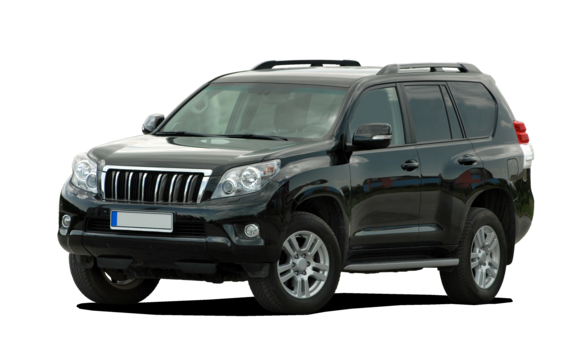
Introduction: Many drivers want a simple answer to one question: which cars have the highest-value catalytic converters? The honest answer is that there is no single universal winner. Some vehicles are far more likely to be targeted, especially older hybrids and a few well-known Japanese models, but the true value depends on the exact converter fitted to that vehicle. This updated guide keeps the strongest parts of the original article, adds needed context, and answers the questions people actually search for – from the most valuable catalytic converters to what metal is inside them, why hybrids attract thieves, and how to protect your car.
Many vehicle owners assume only luxury cars carry high-value converters. That idea is too simple. A catalytic converter is valuable because of the rare metals inside it and the design of the unit itself. In other words, the badge on the bonnet helps less than most people think.
The original article was right to point out that Japanese manufacturers come up often in this discussion. Toyota, Lexus, and Honda models appear again and again in theft alerts. However, it is better to think in patterns than in myths. Older hybrids, OEM converters, and vehicles with easy underbody access usually matter more than brand prestige alone.
If you are researching a list of vehicles with the most valuable catalytic converters, treat any list as a starting point, not a final valuation sheet. The same model can use different converters by year, engine, emissions standard, and market. Therefore, a model may be commonly targeted without every version carrying the same recycling value.
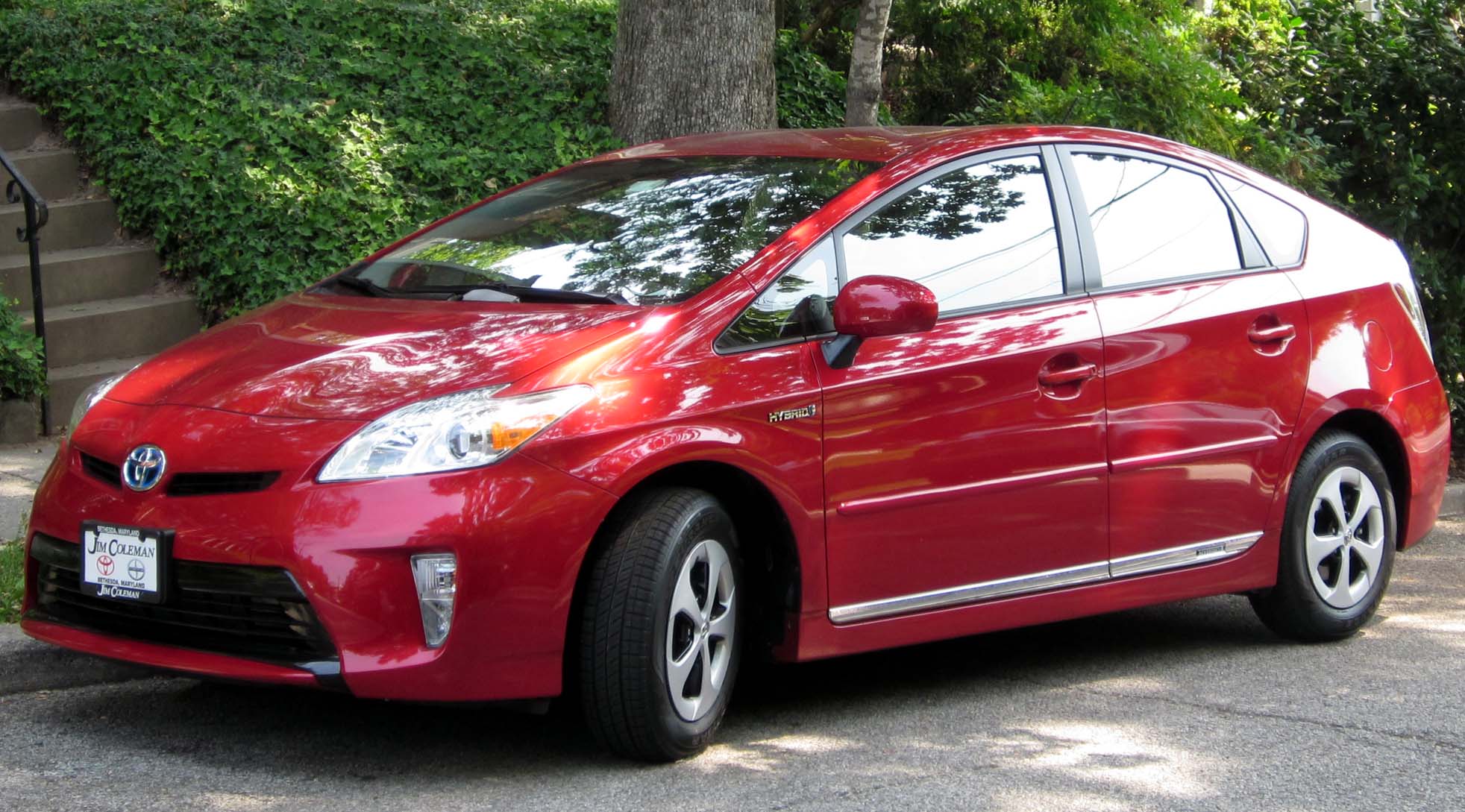
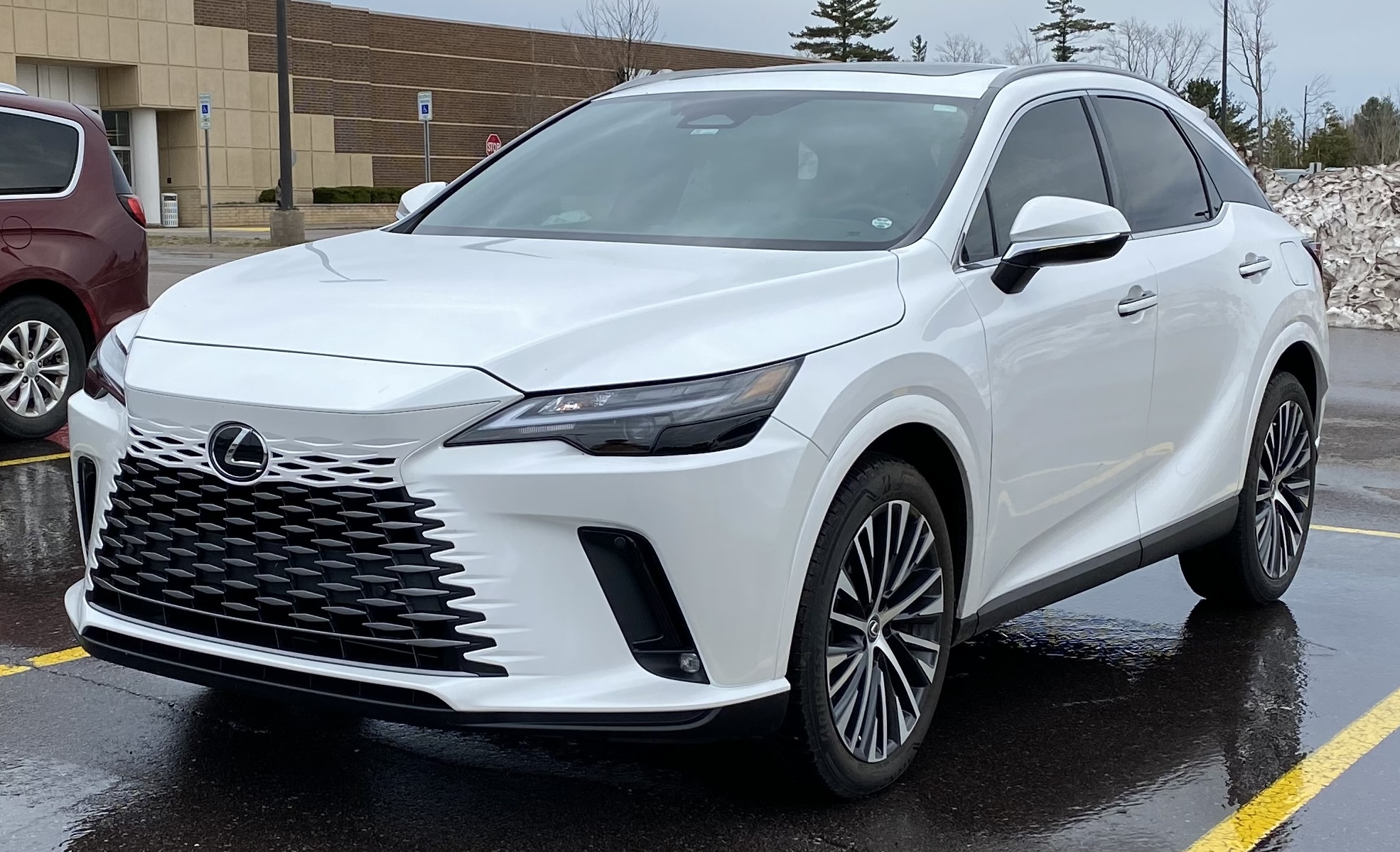
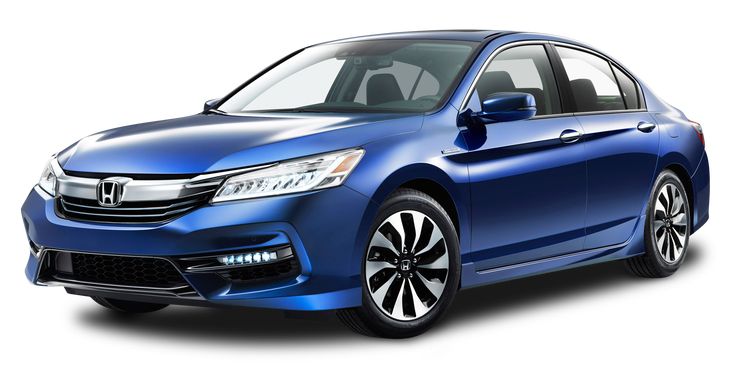
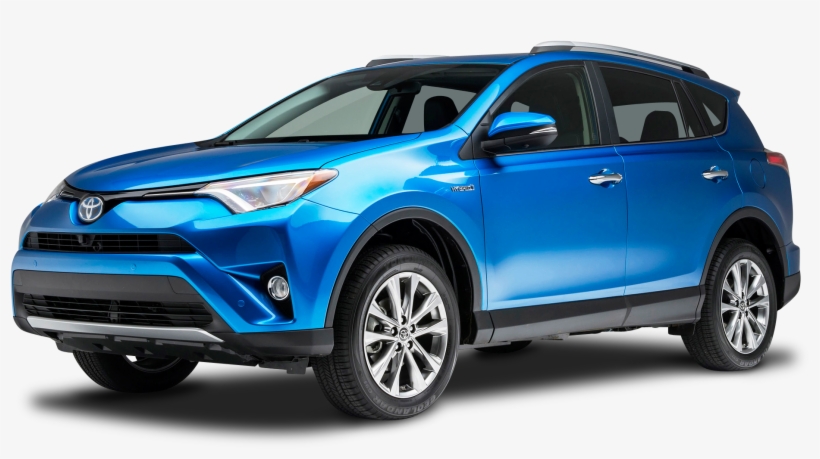
Start with older hybrids and selected Japanese models. Toyota Prius is the best-known example. Some Lexus SUVs and Honda Accord vehicles also appear often in theft reports. In addition, trucks and SUVs with higher ground clearance can be easier to access, which makes theft faster even when the converter itself is not the richest unit on the road.
According to HLDI, theft claim frequency for 2001-2003 Toyota Prius models rose sharply over time, which is one reason Prius is now the model most people associate with converter theft. In a California-focused theft advisory, NICB also highlighted the Prius, Honda Accord, and several pickups and SUVs as common risk vehicles.
| Vehicle group | Common examples | Why they are targeted | Practical note |
|---|---|---|---|
| Older hybrids | Toyota Prius
|
Often associated with desirable OEM converters and strong theft demand | Do not assume every Prius converter is identical – year and unit code matter |
| Hybrid and premium Japanese SUVs | Lexus SUVs
|
Frequently mentioned in theft discussions and may carry high-value OEM units | Access and model year both affect risk |
| Mainstream saloons | Honda Accord
|
Widely owned, easy to identify, and repeatedly named in theft alerts | Popularity makes them predictable targets |
| Other hybrids | Various Toyota and Lexus hybrid models
|
Hybrid operating pattern can make converters especially attractive to thieves | Hybrid does not always mean highest value, but it is a strong clue |
| Higher-clearance vehicles | Pickups and SUVs
|
Thieves can get underneath faster, which lowers the time and risk of removal | Ease of access raises theft risk even when value varies |
This is the clearest answer for readers asking what vehicles have the most valuable catalytic converters for scrap. In practice, thieves and buyers do not work from a neat top-10 chart. They look for models known to carry good OEM units, then they identify the converter itself.
Because hybrid systems change how the petrol engine works. The engine does not always run under constant load, and the electric motor handles part of the job. That can reduce wear on the converter over time. As the original article noted, this gentler operating pattern is one reason hybrid units often attract more attention in the recycling market.
That does not mean every hybrid automatically has the best converter. It does mean hybrids deserve a closer look if you are comparing likely value. This is why search terms like hybrid catalytic converters and hybrid converter recycling keep appearing in search data.
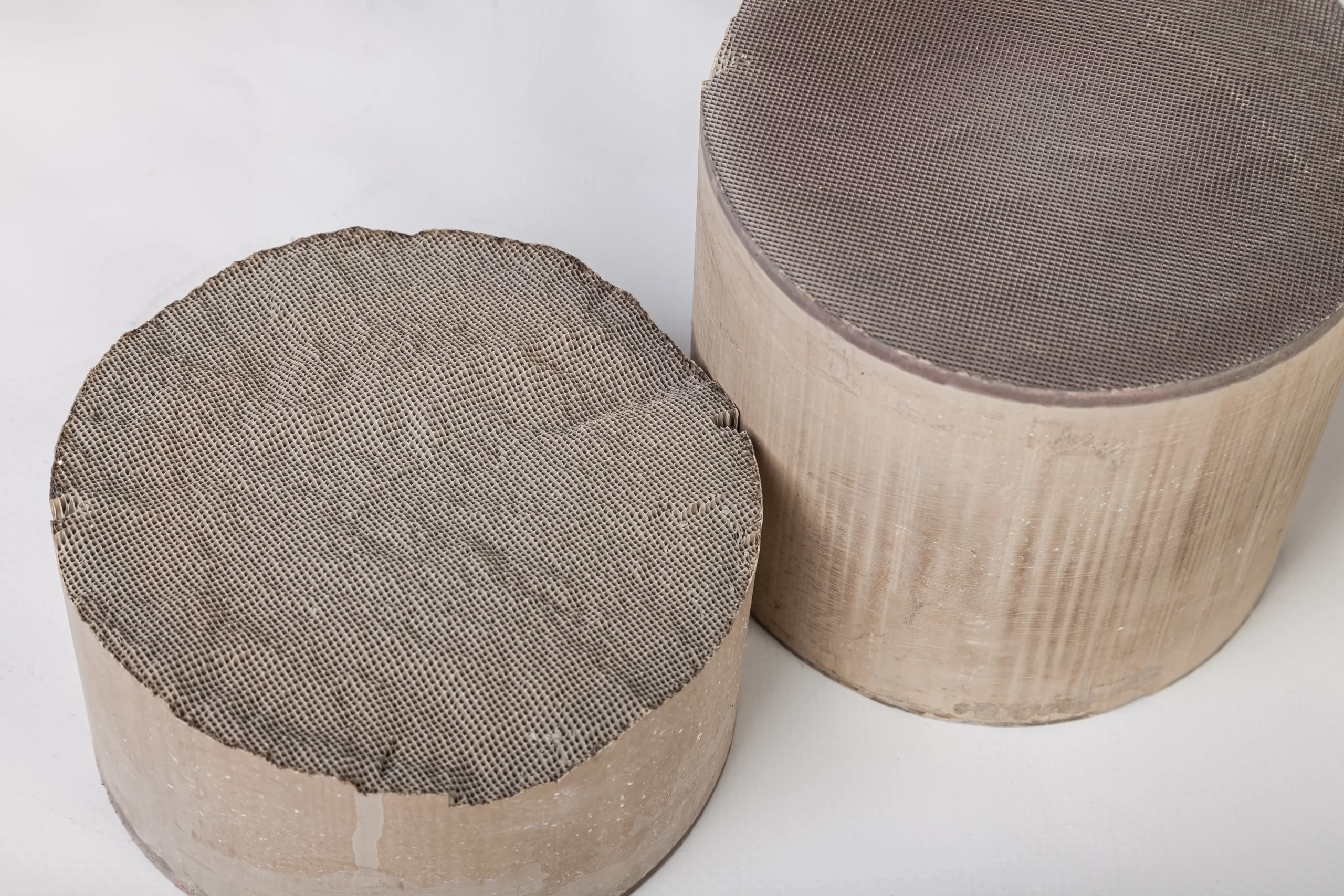
The short answer is simple: the converter’s internal coating, the exact unit design, and whether it is an original OEM part. The key precious metal in a catalytic converter is not just one metal. Most converters are valued for a mix of platinum, palladium, and rhodium. These metals help clean harmful exhaust gases before they leave the tailpipe.
The housing matters less than the catalyst content. A large shell does not always mean a valuable unit. Likewise, a luxury car does not always mean the richest converter. Professionals identify the converter by code, construction type, and expected metal loading. If you want a deeper technical breakdown, Blancomet’s guide on what is inside a catalytic converter is a useful next step.
Platinum, palladium, and rhodium are the metals that matter most. They sit on the internal substrate and act as the active catalyst. That is the core reason catalytic converters attract theft in the first place.
When people ask how much gold is in a catalytic converter, the practical answer is this: gold is not what usually drives converter value. Buyers and recyclers focus mainly on platinum, palladium, and rhodium. So if you are asking why a converter is worth money, think platinum-group metals first, not gold.
There is no one-size-fits-all number. If you are asking how much platinum is in a catalytic converter, the right answer is that metal content varies widely by model, engine, year, emissions standard, and manufacturer design. That is why serious buyers do not rely on guesswork or online myths. They identify the unit, compare codes, and use proper value methods. Blancomet explains this process in its article on how catalytic converter values are calculated.
No. There is no fixed public crown for the single most expensive catalytic converter in every region and every period. People often want one model name, but that oversimplifies the market. A converter’s value changes with unit type, metal mix, OEM status, wear, and buyer method.
A better way to ask the question is this: which vehicles most often carry converters that are considered high value? That is where older Prius models, Lexus SUVs, Honda Accord vehicles, and some other hybrids keep returning to the top of the conversation.
Do not guess from the car badge alone. Check four things first: whether the unit is OEM, the converter code or serial marking, the vehicle type, and the construction style. Then compare the unit with a trusted buyer’s identification process.
This matters because an aftermarket unit can look fine from the outside but carry a lower metal load than an OEM part. It also matters because two converters from the same model line may still differ in value.
They combine emissions technology, specialist manufacturing, and rare metals in one part. That is the real answer behind queries like “why are catalytic converters so valuable” or “what makes a catalytic converter valuable.” The unit has to survive heat, vibration, and chemical exposure while still reducing harmful exhaust gases.
In other words, the value does not come from scrap metal weight alone. It comes from the catalyst system and the rare metals that do the chemical work. That is why converters remain important even when the outer shell looks ordinary.
The original article correctly stressed that removing or driving without a proper catalytic converter is not just a theft issue. It is also an emissions and compliance issue. A missing or damaged converter can make a car far louder, trigger warning lights, create inspection problems, and raise harmful emissions.
Even when a vehicle still runs, that does not mean it is safe or lawful to keep using it in that condition. If theft happens, file a police report, contact your insurer, and use a qualified repairer for replacement and documentation.
Use layers of protection. One measure is good. Two or three are much better.
Fit an anti-theft shield, cage, or clamp. These devices increase removal time and noise, which makes the car less attractive to thieves.
Park in a locked garage when possible. If that is not available, use a well-lit area near entrances, cameras, or regular foot traffic.
Mark the converter with the vehicle VIN and keep photos and service records. Clear identification makes resale harder for criminals and helps with insurance claims.
If your vehicle is a known target, do not wait for a theft attempt before acting. Older hybrids and easy-access SUVs deserve extra attention.
For owners, the key point is risk awareness. If your car sits on the common target list, take prevention seriously. For buyers and recyclers, the key point is traceability. Professional handling depends on documentation, proper identification, and a clear chain of custody.
That is also why the conversation should not stop at “what car has the best converter.” The better question is whether the unit is identifiable, legitimate, original, and suitable for responsible recycling. That keeps the market cleaner and helps separate lawful recovery from criminal supply.
The original article had the right foundation: catalytic converter value is driven by precious metal content, vehicle type, and theft demand. The updated view is more precise. There is no universal master list that proves one model always has the top converter. Still, clear patterns do exist.
Older Toyota Prius models are the best-known example. Lexus SUVs, Honda Accord vehicles, and other hybrids also come up often. Trucks and SUVs with more underbody access face added risk because they are easier to target. The metals that matter most are platinum, palladium, and rhodium. That is why queries about the most valuable catalytic converters, the most expensive catalytic converter, and the metal inside these units all lead back to the same answer: real value depends on the exact converter, not just the vehicle name.
If you need to assess a unit properly, use converter codes, OEM identification, and a transparent valuation process rather than online myths. And if you own a high-risk vehicle, act early with shields, better parking, VIN marking, and good records.

5 Rosemount Park Drive
Rosemount Business Park, Ballycoolin Dublin, D11 FVH2, Ireland